

How to Fix Candle Tunneling (and Stop It Coming Back)
Tunneling is a wick-and-first-burn problem, not a wax problem. Three rescue methods that work, plus the upstream fix so the next pour burns edge to edge.
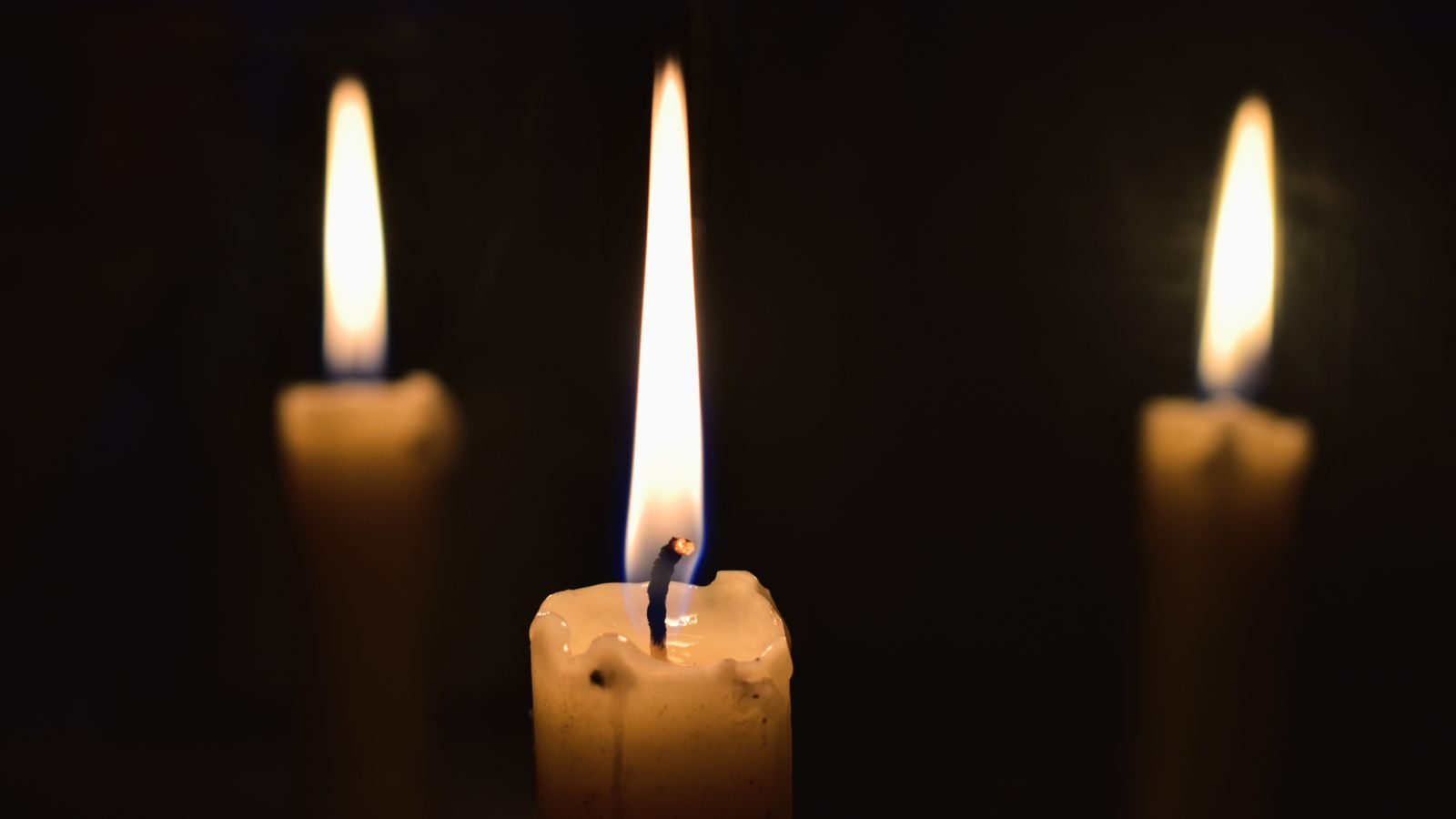
Tunneling is the single most common candle complaint I get asked about, and almost every case comes down to one of two things: the wick is too small for the wax and jar, or the first burn was cut short. The wax itself is rarely at fault.
Below is what I do when a customer brings a tunneled candle back, and the upstream fix so the next pour I make burns to the glass.
What tunneling actually is
A candle burns evenly when the melt pool reaches the inside of the jar before the wax cools again. That usually takes 2 to 4 hours on the first lighting, depending on jar diameter. If you blow the candle out before the pool reaches the edge, the unmelted wax sets a permanent boundary. Every burn after that follows the same line, and the wick sinks down a narrowing channel.
Wax has memory. Once a tunnel forms, the candle will keep tunneling unless you reset the surface or change the wick.
Three rescue methods that work
### 1. The aluminium foil method (best for shallow tunnels)
Wrap a strip of kitchen foil around the rim of the jar and fold it over to make a low dome above the candle, leaving a small hole above the flame. The foil traps heat against the cold wax ring. Burn for 1 to 2 hours, checking every 20 minutes. Once the surface is fully liquid, remove the foil and let the candle finish a normal 2 to 4 hour burn. Works for tunnels less than 10 mm (about 0.4 inch) deep.
### 2. The hair-dryer reset (best for medium tunnels)
Unlit, run a hair-dryer on medium heat across the wax surface in a sweeping motion for 2 to 3 minutes until the top liquefies and self-levels. Let it set for at least an hour before relighting. This rebuilds a flat surface so the next burn starts from a fair starting line. Don't use a heat gun on full power; soy will scorch and discolour.
### 3. The full melt-pool reset (best for deep tunnels)
If the tunnel is deeper than 20 mm (about 0.8 inch), scoop the excess ring of wax out with a butter knife while it's at room temperature. You're aiming for a level surface roughly even with the deepest point of the tunnel. Burn normally afterwards. You lose burn time, but the candle finishes cleanly instead of self-extinguishing in a deep well.
The upstream fix: wick up one size, train the first burn
Rescue methods only get you so far. If you're making the candle yourself, the two changes that prevent tunneling on the next pour are straightforward.
Go up one wick size. If you're running an ECO 8 in a 70 mm (2.75 inch) jar and seeing tunneling, try an ECO 10. If you're on a CD 10, move to a CD 12. One size at a time, with a 14-day cure between test burns, so you can read what changed. The wick chart below gives a starting point per wax and diameter.
Print a first-burn instruction on the label. Customers don't know that the first lighting sets the burn pattern for the life of the candle. A single line on the warning label fixes this: "Burn for 2 to 3 hours on first lighting, until the melt pool reaches the edge of the glass." The NCA recommends this exact guidance, so you can cite a regulator on the label.
Why this happens more in winter
Cold ambient temperatures keep the jar glass cold for longer, which steals heat from the melt pool and slows pool spread. If you sell candles in winter, expect more tunneling complaints in January than in July, and consider sizing wicks for the colder room. I keep one wick size larger in the winter range for exactly this reason.
What doesn't fix tunneling
Switching wax (soy to coconut) almost never fixes a tunneling complaint; the wick choice carries over. Adding more fragrance oil makes it worse, because heavier fragrance loads need a hotter wick. Changing colour or dye is irrelevant.
Updated 25 June 2026. Fact-checked against the National Candle Association Candle Safety Rules.
Frequently asked
Updated 2026-06-04. Fact-checked against National Candle Association: Candle Safety Rules.
The Maker's Codex, as a PDF
The full five-act manual. Bench setup, wick sizing, scent throw, pricing, compliance, scaling. Cited to EN 15493, ASTM, IFRA and CLP. We email your regional edition (metric or imperial, GBP, EUR, USD, CAD, AUD).
Best Wax for Candles: An Honest Maker's Guide (2026)
I've poured every common candle wax through the Bristol studio. Here's what soy, coconut, paraffin, beeswax, apricot and rapeseed actually feel like to work with, and which one fits the candle you want to sell.
How to Start a Candle Business: A Realistic 90-Day Plan
A working chandler's 90-day plan to go from first pour to first paid order. Kit budget, first 10 SKUs, batch costing, channel choice, and the compliance checklist that keeps you out of trouble.
Beeswax vs Soy Candles: A Real Comparison
Burn time, scent throw, environmental impact, and cost compared honestly. The right answer depends on what you're optimizing for.
Candle Making FAQ: 20 Questions, Honest Answers
Quick, real answers to the questions every chandler asks at least once, from profitability to essential oils to the best wax for beginners.