

Best Wax for Candles: An Honest Maker's Guide (2026)
I've poured every common candle wax through the Bristol studio. Here's what soy, coconut, paraffin, beeswax, apricot and rapeseed actually feel like to work with, and which one fits the candle you want to sell.
Prices updated June 26, 2026
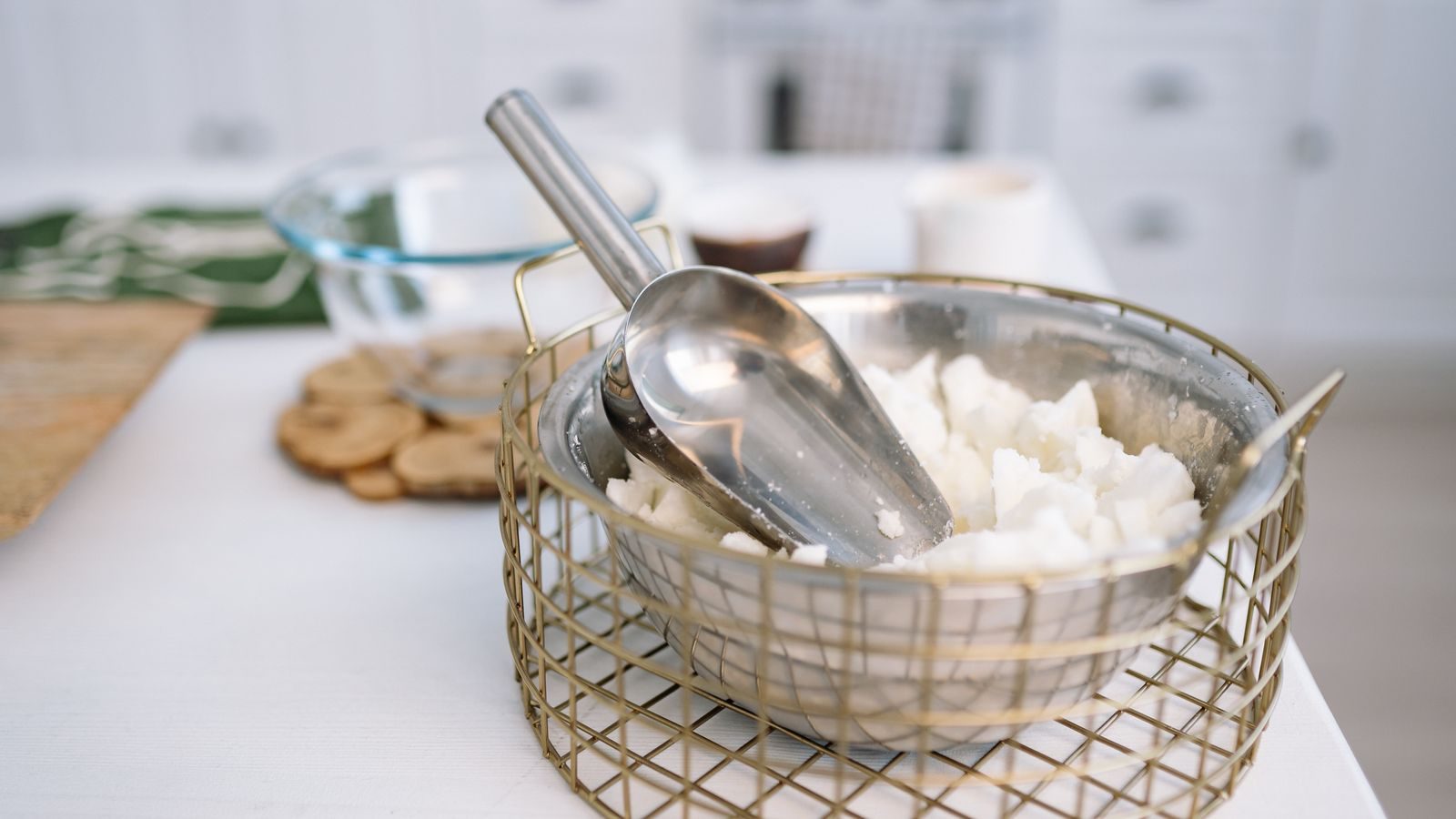
Every candle starts with a wax decision, and that decision sets the ceiling for everything that follows. How the wax pours. How it cures. How loud the cold throw is on the shelf. How honest the hot throw is at hour two. How much each candle costs you to land in a jar.
There is no single best wax. There is the best wax for the candle you are trying to make, at the price you can sell it for. After five years of pouring out of a small Bristol studio, here is the comparison I wish someone had handed me on day one.
How I'm judging each wax
Six things matter, and I score every wax I trial against the same six. Cold throw on the shelf. Hot throw at full melt pool. Top finish after a 24-hour cure. Fragrance load ceiling before sweating. Pour temperature window. Cost per kilogram landed in the UK in 25 kg cases.
Anything else (negative ions, mystical claims about "burning cooler", marketing words like eco-friendly) I ignore. They are not measurable on a hot-throw test and they will not help you reorder.
Soy wax: the sensible default
Soy is the wax I started on and the wax I still recommend to every new maker. It is plant-based, holds 8–10% fragrance comfortably, pours at a forgiving 57°C, and lands at around $5.71/kg in 25 kg cases.
The trade-off is cosmetic. Soy frosts. It pulls away from the glass in cold rooms. Tops set rough if you pour too cool. None of this affects burn quality, but every soy maker spends time learning to love (or relight) a slightly uneven top.
Workhorses I use: Golden Brands 464 and 444 in containers (US), NatureWax C-3 if I want a glossier top. In the UK and EU I reach for KeraSoy 4130. Treat 4130 as its own wax, not a like-for-like swap: it pours hotter at 60–70°C and pairs with the 4Candles CL or TB series (or TCR) before Stabilo. CD works, but it isn't the EU house pick the way it is stateside.
Coconut and coconut blends: the premium move
Coconut wax, almost always blended with soy or apricot at 30–70%, is what most premium UK and US brands pour in 2026. The hot throw is noticeably louder than pure soy at the same load, tops set glassy without a heat gun, and the wax tolerates 10–12% fragrance before it sweats.
The catch is cost (around $13.97/kg) and a lower melt point that makes summer shipping risky above 27°C. If you sell direct-to-consumer in July, factor warm packs into your costs or switch couriers.
Paraffin: the technical winner you have to defend
Paraffin wins almost every measurable test. Strongest cold and hot throw at the same fragrance load. Smoothest tops with no babysitting. Best colour saturation. Cheapest at around $4.06/kg. Modern food-grade paraffin like IGI 6006 or IGI 4630 burns to BS EN 15493 with a properly sized wick.
What you are buying is a customer-objection problem. "Petroleum" lands badly on a craft-fair table even when the data is on your side. I keep paraffin in the studio for two jobs: large pillars where throw at distance matters, and contract pours for clients who want maximum performance per pound.
Beeswax: the heritage option
Beeswax is the oldest candle wax in continuous use. It burns brightly, smells faintly of honey, and is naturally a deep gold. It is also around $35.56/kg, drops fragrance throw to almost nothing because the wax fights any oil you add, and is genuinely tricky to wick.
I reserve beeswax for tapers, dipped candles, and unscented pillars where the wax itself is the product. If a customer asks for a "beeswax-scented" container candle, I steer them to a 70/30 soy-beeswax blend so the soy carries the fragrance and the beeswax carries the story.
Apricot and rapeseed: the quiet specialists
Apricot wax produces the cleanest, glassiest top of any natural wax I have used. It is the right call for wide tumblers where the surface is the brand. Expect $15.24/kg and a high pour temperature around 80°C.
Rapeseed wax is the European answer to soy. Slightly stronger throw, marginally cleaner tops, similar price point. If you are UK-based and care about shorter supply chains, a rapeseed-coconut blend like KeraSoy 4625 is worth a trial pour against your house soy.
Reference table
Prices are UK trade in 25 kg cases. Toggle the currency in the header to see them in your local currency; toggle units to switch pour temperatures between °C and °F.
| Wax | Price | Pour temp | Max FO load | Throw | Best for |
|---|---|---|---|---|---|
| Soy 464 | $5.71/kg | 57°C | 10% | Medium | Beginner containers |
| Coconut blend | $13.97/kg | 66°C | 12% | Strong | Premium containers |
| Paraffin 6006 | $4.06/kg | 79°C | 12% | Very strong | Pillars, contract pours |
| Beeswax | $35.56/kg | 74°C | 3% | Faint honey | Tapers, unscented pillars |
| Apricot blend | $15.24/kg | 80°C | 12% | Strong | Wide tumblers |
| Rapeseed-coconut | $13.34/kg | 70°C | 11% | Strong | UK-sourced premium |
So, what should you actually buy?
If you are pouring your first ten candles: soy 464 in a 25 kg case. It is cheap to fail with, every troubleshooting guide on the internet is calibrated to it, and it is forgiving of a pour temperature you read off a slightly wrong thermometer.
If you have sold your first fifty candles and you know what your customers respond to: trial a coconut blend in your two best-selling scents and run a blind hot-throw test against your current soy. Change one variable. If the blend wins by a clear margin at the same wick size, switch the line.
If you are pouring for a wholesale account that wants maximum throw and does not care about the wax origin story: paraffin 6006 with the next wick size down from what you used in soy.
Whichever wax you pick, commit to it for at least fifty candles before you switch again. Wax fluency is built one batch at a time, and chasing the next trending blend is the fastest way to never get good at any of them. The beeswax vs soy comparison and soy vs paraffin breakdown will settle most of the trend-driven questions before you spend on a new case.
What to do next
Use the Candle Wax Calculator below to size your first soy batch by vessel volume and fragrance load. If you are already past the first batch, the candle recipe builder will save your wax-and-wick combination and let you A/B coconut against soy without re-entering the math. Pair the wax choice with the candle wick size chart so the first pour is not a guess.
Frequently asked
Updated 2026-06-12. Fact-checked against BS EN 15493:2019. Candles. Specification for fire safety.
The Maker's Codex, as a PDF
The full five-act manual. Bench setup, wick sizing, scent throw, pricing, compliance, scaling. Cited to EN 15493, ASTM, IFRA and CLP. We email your regional edition (metric or imperial, GBP, EUR, USD, CAD, AUD).
How to Start a Candle Business: A Realistic 90-Day Plan
A working chandler's 90-day plan to go from first pour to first paid order. Kit budget, first 10 SKUs, batch costing, channel choice, and the compliance checklist that keeps you out of trouble.
Beeswax vs Soy Candles: A Real Comparison
Burn time, scent throw, environmental impact, and cost compared honestly. The right answer depends on what you're optimizing for.
How to Fix Candle Tunneling (and Stop It Coming Back)
Tunneling is a wick-and-first-burn problem, not a wax problem. Three rescue methods that work, plus the upstream fix so the next pour burns edge to edge.
Candle Making FAQ: 20 Questions, Honest Answers
Quick, real answers to the questions every chandler asks at least once, from profitability to essential oils to the best wax for beginners.