

The Best Candle Scents to Make and Sell in 2026
The fragrance families that actually move at retail, the seasonal rotation that pays the studio rent, and the scent combinations I keep coming back to.
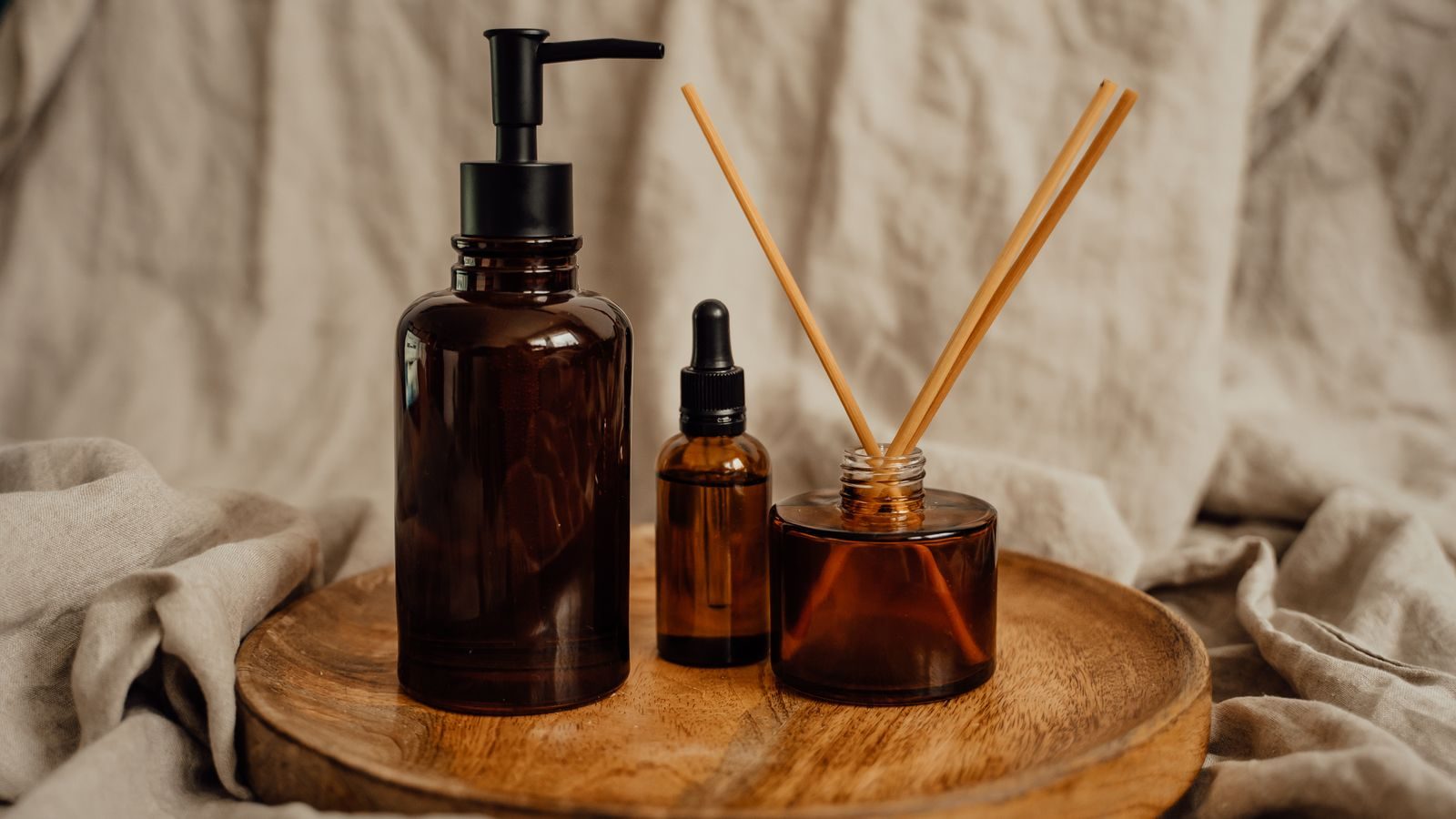
Every chandler eventually realises the same thing: customers do not buy fragrance notes, they buy moods. Once a scent is shortlisted, cross-check it against the candle scent throw guide and the fragrance oil vs essential oil piece so the shortlist survives the wax. Nobody walks into a shop asking for bergamot top, jasmine heart and cedarwood base. They ask for the one that smells like a clean kitchen on a Sunday morning, or the one that reminds them of their grandmother's hallway.
The candles that actually sell year after year are the ones that translate a mood into a fragrance family with no friction. After five years of running scent panels in the Bristol studio, these are the families that earn their shelf space, the combinations I keep coming back to, and the seasonal rotation that pays the rent.
How I'm ranking these
Three things matter and I score every fragrance against the same three. Reorder rate at the studio (does the same customer come back for the same scent?). Cross-gender appeal (does it sell to men and women equally, or is it a narrow audience?). Hot throw at 8% load in soy 464 (does it actually perform in the wax most makers pour?).
Anything that does not clear those three is a personal favourite, not a bestseller. There is a difference.
The seven scent families that sell
1. Clean and laundered. Cotton, linen, lily of the valley, soft musk. The single most reliable family in the modern candle market. Sells to almost everyone, performs in soy and coconut, and reorders steadily. My house version blends a soft cotton accord with a touch of bergamot and white musk.
2. Coffee, vanilla and caramel (the gourmand stack). Coffee with vanilla, vanilla with sea salt, brown sugar with bourbon. Gourmands are the bestsellers of the last three years and the category is not slowing down. Watch the IFRA cap on vanillin (Category 12 maximum is around 5% in most fragrance oil compositions) or your throw will plateau.
3. Sandalwood, oud and amber. The warm woody family that sells through autumn and winter and lives on a coffee table all year. Heavier oils, so size the wick up half a step or use a wood wick for a cleaner burn.
4. Lavender, eucalyptus and herbs. The wellness category. Lavender alone sells well, lavender with eucalyptus sells better, lavender with chamomile and a soft amber base sells best. This is also the family where customers most often ask for essential oils, see the EO note below.
5. Citrus and green. Bergamot, grapefruit, basil, fig leaf. The spring and summer workhorse. Citrus oils flash off if you add fragrance above 75°C, so respect the temperature even more than usual.
6. Fig, tomato leaf and Mediterranean greens. A small but loyal segment that punches above its weight in DTC. Diptyque taught the market to love figue, and the artisan tier has been chasing that note for fifteen years for a good reason.
7. Spiced and seasonal. Pumpkin spice in autumn, mulled wine in December, hot chocolate around Christmas. Short windows, high margins. Plan production six weeks ahead because the season ends faster than you expect.
Scent combinations I keep coming back to
These are the blends I have refined over multiple seasons. The percentages refer to the share of total fragrance oil in the candle, not the share of total wax.
| Blend name | Composition | Family | When it sells |
|---|---|---|---|
| Sunday Linen | 60% cotton accord, 25% bergamot, 15% white musk | Clean | Year round |
| Cold Brew | 55% coffee, 30% vanilla, 15% caramel | Gourmand | Year round, peaks in autumn |
| Studio Amber | 45% amber, 30% sandalwood, 15% black pepper, 10% vanilla | Woody | Autumn and winter |
| Calm Hour | 50% lavender, 25% chamomile, 15% eucalyptus, 10% cedarwood | Wellness | Year round, peaks in Q1 |
| Greenhouse | 50% fig leaf, 25% green tomato leaf, 15% bergamot, 10% basil | Mediterranean | Spring and summer |
| Mulled Sunday | 40% red wine accord, 25% orange peel, 20% clove, 15% cinnamon | Spiced | November to early January |
A note on essential oils
Customers ask. They want a candle that is just essential oils. The honest answer: most essential oils flash off below candle pour temperature, drop hot throw to almost nothing, and cost five to ten times what a fragrance oil with the same character costs. Lavender, eucalyptus, rosemary, peppermint and the citrus oils survive in a candle if you accept a subtle throw and pour cool. Almost nothing else does.
If a customer insists, I steer them to a wax melt instead of a candle. The lower melt-pool temperature in a tealight burner gives the essential oil a fighting chance and the customer gets the experience they were paying for.
The seasonal rotation that pays the studio rent
I keep six core scents on the shelf year round and rotate three to four seasonals on top. The core pays the bills; the seasonals get press coverage and drive repeat visits.
- Core (year round): Sunday Linen, Cold Brew, Studio Amber, Calm Hour, fig leaf, vanilla and sandalwood.
- Spring (March to May): rhubarb and rose, sweet pea, fresh-cut grass.
- Summer (June to August): Greenhouse, salt and driftwood, neroli and orange flower.
- Autumn (September to November): pumpkin and brown sugar, smoked oud, fireside.
- Winter (December to February): Mulled Sunday, fir balsam and clove, vanilla and tonka.
What to do next
Pick one family above and pour three test candles at 8% in soy. Cure for fourteen days and run a blind scent panel with five friends. The combination that wins is your first bestseller. Then use the Fragrance Oil Calculator below to scale the recipe up safely to your full IFRA cap.
Frequently asked
Updated 2026-05-30. Fact-checked against IFRA Standards (51st Amendment).
The Maker's Codex, as a PDF
The full five-act manual. Bench setup, wick sizing, scent throw, pricing, compliance, scaling. Cited to EN 15493, ASTM, IFRA and CLP. We email your regional edition (metric or imperial, GBP, EUR, USD, CAD, AUD).
Best Wax for Candles: An Honest Maker's Guide (2026)
I've poured every common candle wax through the Bristol studio. Here's what soy, coconut, paraffin, beeswax, apricot and rapeseed actually feel like to work with, and which one fits the candle you want to sell.
How to Start a Candle Business: A Realistic 90-Day Plan
A working chandler's 90-day plan to go from first pour to first paid order. Kit budget, first 10 SKUs, batch costing, channel choice, and the compliance checklist that keeps you out of trouble.
Beeswax vs Soy Candles: A Real Comparison
Burn time, scent throw, environmental impact, and cost compared honestly. The right answer depends on what you're optimizing for.
How to Fix Candle Tunneling (and Stop It Coming Back)
Tunneling is a wick-and-first-burn problem, not a wax problem. Three rescue methods that work, plus the upstream fix so the next pour burns edge to edge.