Best Containers for Candle Making: Glass, Ceramic, Tin, and What Actually Sells
Container choice changes the wick, the burn, the price point, and the brand. Here's how I pick vessels for soy and coconut soy, what to avoid, and the BS EN safety rules you can't sidestep.
Prices updated June 26, 2026
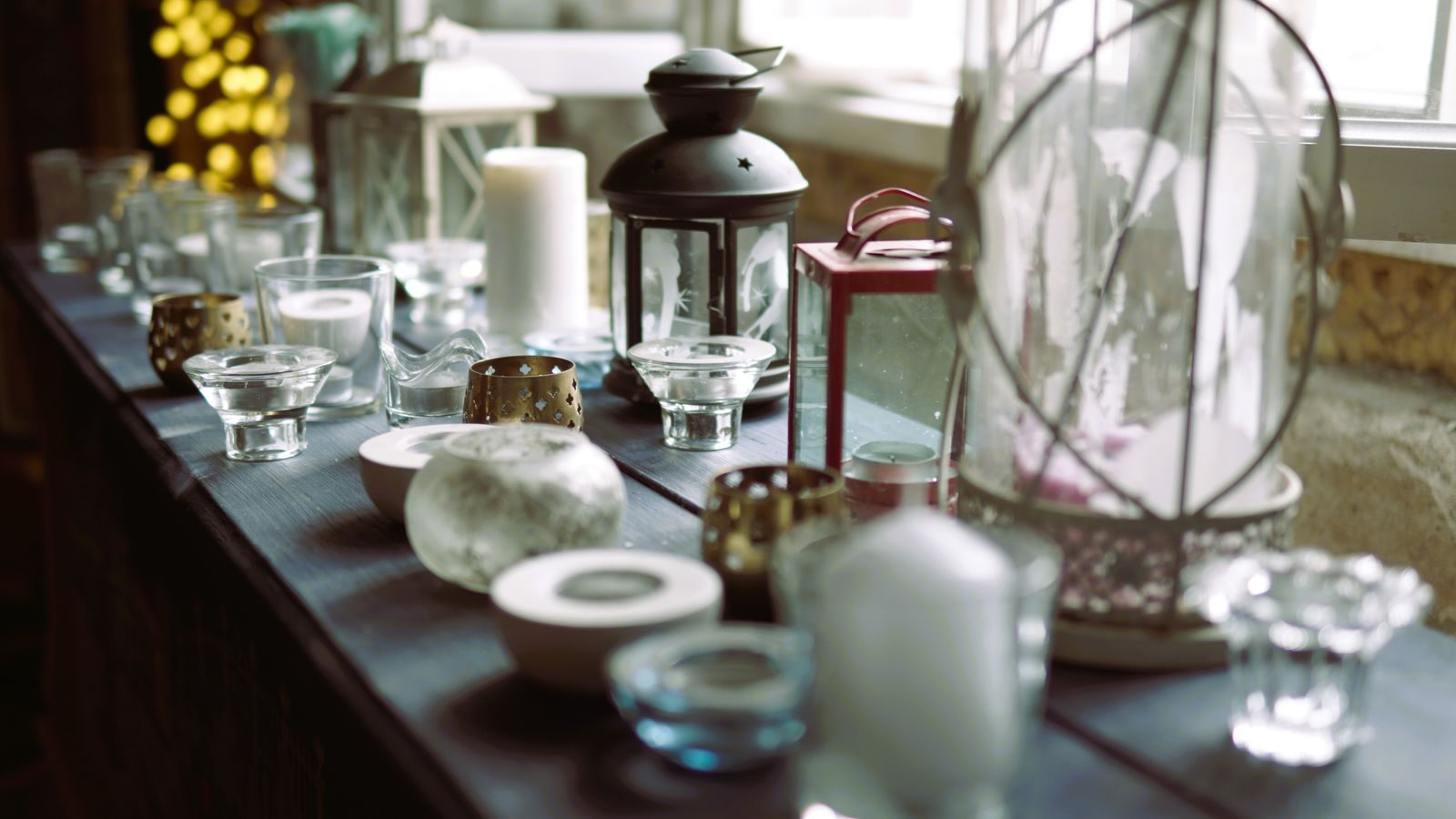
The container does more work than people give it credit for. Once the vessel is fixed, size the wick with the candle wick size chart and confirm the pour temperature matches the wax. It sets the burn temperature, the wick you can use, the perceived value at the till, and whether the candle passes BS EN 15493 in the first place. Get it wrong and the most beautifully formulated wax-and-fragrance blend behind it won't save you.
Here's how I pick containers for the candles I sell, the safety rules I won't compromise on, and a few categories I avoid even when customers ask for them.
What a good container actually does
A candle container has four jobs.
- Hold the wax without leaking, cracking, or warping at sustained 70–85°C surface temperatures.
- Conduct heat predictably so the melt pool develops evenly and the wick performs the same way burn after burn.
- Stay structurally sound under thermal cycling (cool, hot, cool, hot) over the candle's lifetime, typically 40 to 60 burns.
- Look like the price tag. A $30 candle in a chipped recycled jam jar doesn't sell. A $30 candle in a heavy weighted glass with a fitted lid does.
Anything that fails 1, 2, or 3 is a fire-safety problem, not an aesthetic one. BS EN 15493 sets the European standard for container integrity under burn; vessels that pass have been thermally cycled to failure under controlled conditions. Buy from a reputable wholesaler that states EN 15493 compliance on the product page, not from an art-supply shop that doesn't.
Glass: the workhorse
Most container candles you've ever bought are in glass. There's a reason.
Glass conducts heat slowly and evenly, doesn't react with wax or fragrance, and is dimensionally stable to well over 200°C if it's the right glass. The right glass means annealed, lead-free container glass intended for candles, not repurposed kitchen jars (Mason jars are annealed but the geometry can trap heat at the shoulder), not pressed decorative glass (often not annealed; can crack), and not crystal (lead content; can fail at temperature).
Sub-categories I use:
- Straight-sided tumblers (7 cm to 9 cm diameter): the default. Easy to wick, clean burn line, fits every label format.
- Apothecary / cylinder jars: shoulder-and-neck design traps a small amount of wax at the top corners. Plan for slightly more waste; wick one size up.
- Amber and coloured container glass: identical thermal behaviour to clear; pure brand choice. Verify lead-free if buying outside the EU/UK supply chain.
- Weighted base glass: the heavy-bottomed look. Looks expensive, costs about 60% more, sells about 100% better at the $25+ price point. Worth the markup.
Ceramic: beautiful, demanding
Ceramic vessels are the fastest-growing category in UK candle retail in 2026 and the one I see the most safety problems with.
Done right, ceramic is wonderful. Stoneware fired above 1200°C is dimensionally stable, won't craze, and gives a unique tactile quality glass can't. Done wrong, earthenware fired below 1100°C will craze (fine cracks in the glaze) on the first thermal cycle, can leak through the body itself, and may release lead from low-fire glazes if the glaze contains it.
Rules I follow:
- Stoneware only, fired above 1200°C. Earthenware is a no.
- Lead-free glaze certified for food contact even though you're not eating from it. Food-contact certification (FDA in the US, EC 1935/2004 in the UK/EU) is a useful proxy for safe-under-heat.
- Wick down half a size compared to glass of the same internal diameter. Ceramic insulates better than glass, so the surface gets hotter at the same melt pool, which can make a glass-sized wick overheat the vessel.
- Test for 4 full burns to extinction before approving the vessel for the line. Crazing and leakage usually appear by burn 3.
Tinplate: travel, gifts, and short-burn formats
Tin candles are honest. Tinplate is a thin steel sheet plated with tin, intended for food and cosmetic packaging. It tolerates the temperature, doesn't react, and is the cheapest container per litre on the market.
Strengths: cheap, lightweight (great for postage), gift-friendly with the lid on. Weaknesses: heats up far more than glass, so the outside is too hot to touch during a burn (label it). Limited size range (most tins are 100 ml or 200 ml). The aesthetic ceiling is lower; a tin candle reads more "gift" than "interior".
Pick tin for travel candles, tester sizes, samplers, and gift sets. Avoid for the $25+ home-fragrance tier.
Concrete, plaster, wood: be careful
Concrete and plaster vessels are popular on Instagram. They are also porous, which means fragrance oil leaches into the body of the vessel over time. The leak rate is slow but real; over 8 to 12 weeks of cure plus burn, a meaningful fraction of your fragrance disappears into the concrete. Sealing the interior with a food-safe sealant before pouring helps, but adds a manufacturing step and isn't perfect. Treat concrete as decorative outers (a glass insert holds the wax), not as direct vessels.
Wooden vessels are gorgeous and a no. Wood is flammable. Even with a metal insert, the proximity of the flame to a flammable outer fails any reasonable safety assessment. Don't.
Coconut shells, geodes, vintage teacups, abalone shells: aesthetic, viral, and untestable. None of them have been thermally cycled by a standard. If you want to sell into a UK or EU market, restrict yourself to vessels you can prove will pass BS EN 15493 under independent test.
Sizing the container to the wick
The internal diameter at the widest point sets the wick size, not the volume.
- 6.5 to 7 cm internal diameter: small jar, ECO 4 / CD 8 / LX 14 territory in soy.
- 7 to 8 cm: ECO 8 / CD 10 / LX 16. The most common range.
- 8 to 9 cm: ECO 10 / CD 12 / LX 18. Wider melt pool, slightly longer first burn.
- 9 to 10 cm: double-wick territory. Single wicks over 9 cm internal diameter struggle to reach the glass in 3 hours.
- Over 10 cm: plan for two or three wicks in a triangle. Use the wick chart to size each wick down by one (since the wicks share the load).
A clean shortlist for new makers
If you're starting and want to avoid the rabbit hole: buy a straight-sided 7.5 cm internal-diameter clear glass tumbler with a fitted lid from a reputable UK or US candle wholesaler. Add a matching amber or smoked variant for visual contrast. That's your starter line. Two vessels, one wick size, ten fragrance variations. You'll learn more from running the same vessel deeply than from running five vessels shallowly.
Updated 25 June 2026. Fact-checked against BS EN 15493:2019.
Frequently asked
Updated 2026-05-29. Fact-checked against BS EN 15493:2019. Candles. Specification for fire safety.
The Maker's Codex, as a PDF
The full five-act manual. Bench setup, wick sizing, scent throw, pricing, compliance, scaling. Cited to EN 15493, ASTM, IFRA and CLP. We email your regional edition (metric or imperial, GBP, EUR, USD, CAD, AUD).
Best Wax for Candles: An Honest Maker's Guide (2026)
I've poured every common candle wax through the Bristol studio. Here's what soy, coconut, paraffin, beeswax, apricot and rapeseed actually feel like to work with, and which one fits the candle you want to sell.
How to Start a Candle Business: A Realistic 90-Day Plan
A working chandler's 90-day plan to go from first pour to first paid order. Kit budget, first 10 SKUs, batch costing, channel choice, and the compliance checklist that keeps you out of trouble.
Beeswax vs Soy Candles: A Real Comparison
Burn time, scent throw, environmental impact, and cost compared honestly. The right answer depends on what you're optimizing for.
How to Fix Candle Tunneling (and Stop It Coming Back)
Tunneling is a wick-and-first-burn problem, not a wax problem. Three rescue methods that work, plus the upstream fix so the next pour burns edge to edge.