
Candle History: When Were Candles Invented? A Maker's Guide (2026)
Five thousand years of candle history in one read. Egyptian rushlights, Roman tapers, medieval beeswax and tallow, Japanese warousoku, spermaceti, stearin, paraffin and soy, with the lessons each era still teaches a modern maker.
Prices updated June 26, 2026
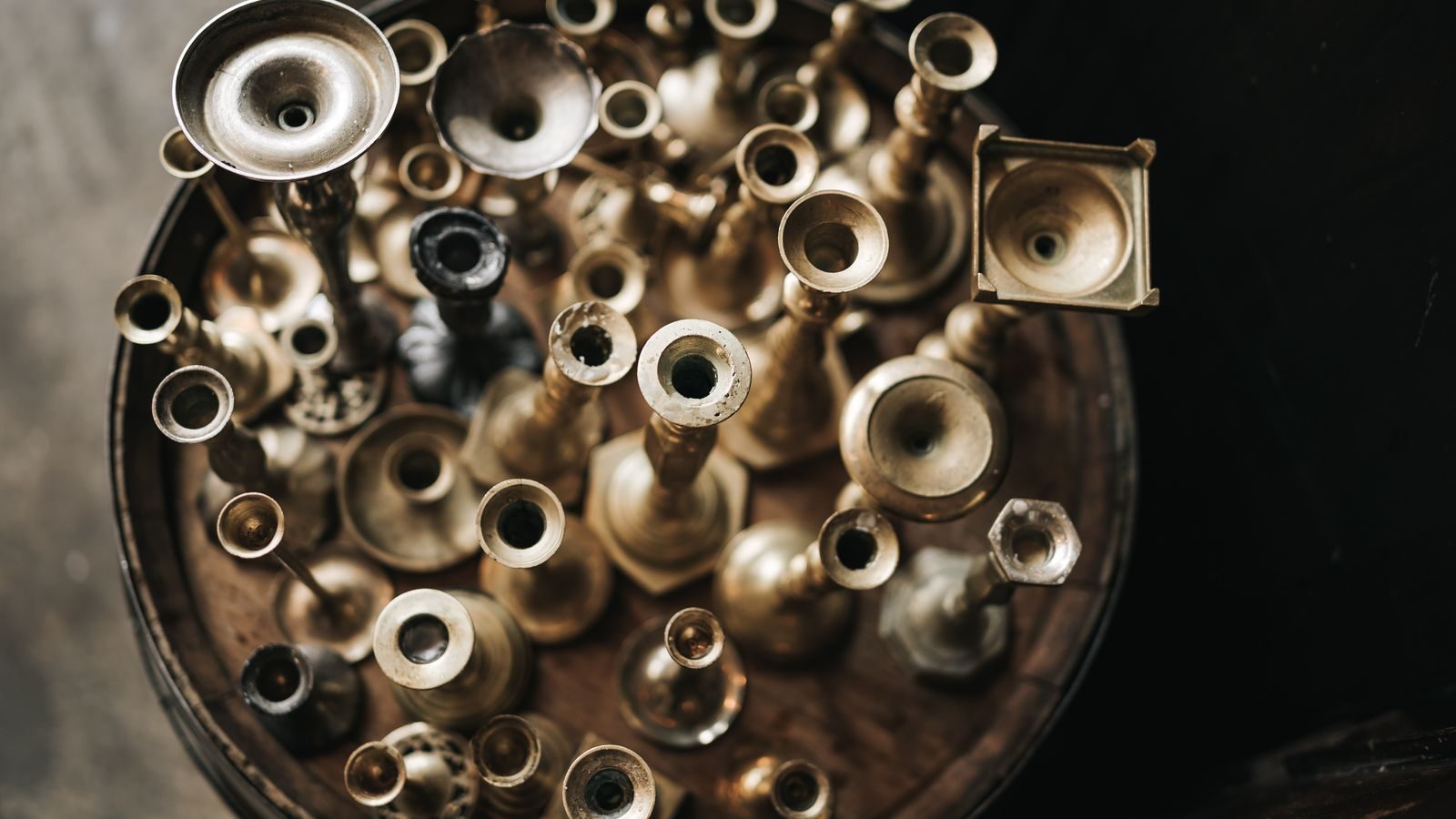
Every wax I pour in the Bristol studio carries a chemistry breakthrough behind it. Soy is 1991. Paraffin is the 1850s. Stearin is 1820s France. Beeswax is medieval Europe. Tallow goes back to the Romans, and rushlights to ancient Egypt. Knowing where each material came from changes the way you think about the trade-offs you are making at the bench today.
This is the candle history I give new makers when they ask when candles were invented, with the lessons that still matter for how we work in 2026.
Who invented candles? Nobody, really. Candle-like rushlights appear in ancient Egypt around 3000 BCE, true wicked beeswax and tallow candles by 1550 BCE, and the dipped taper we still recognise was standardised by the Romans in the 1st century CE. Every later breakthrough, from medieval moulds to 1991 soy, refined the same idea: a solid fuel held against a wick.
3000 BCE. The first wicked flame
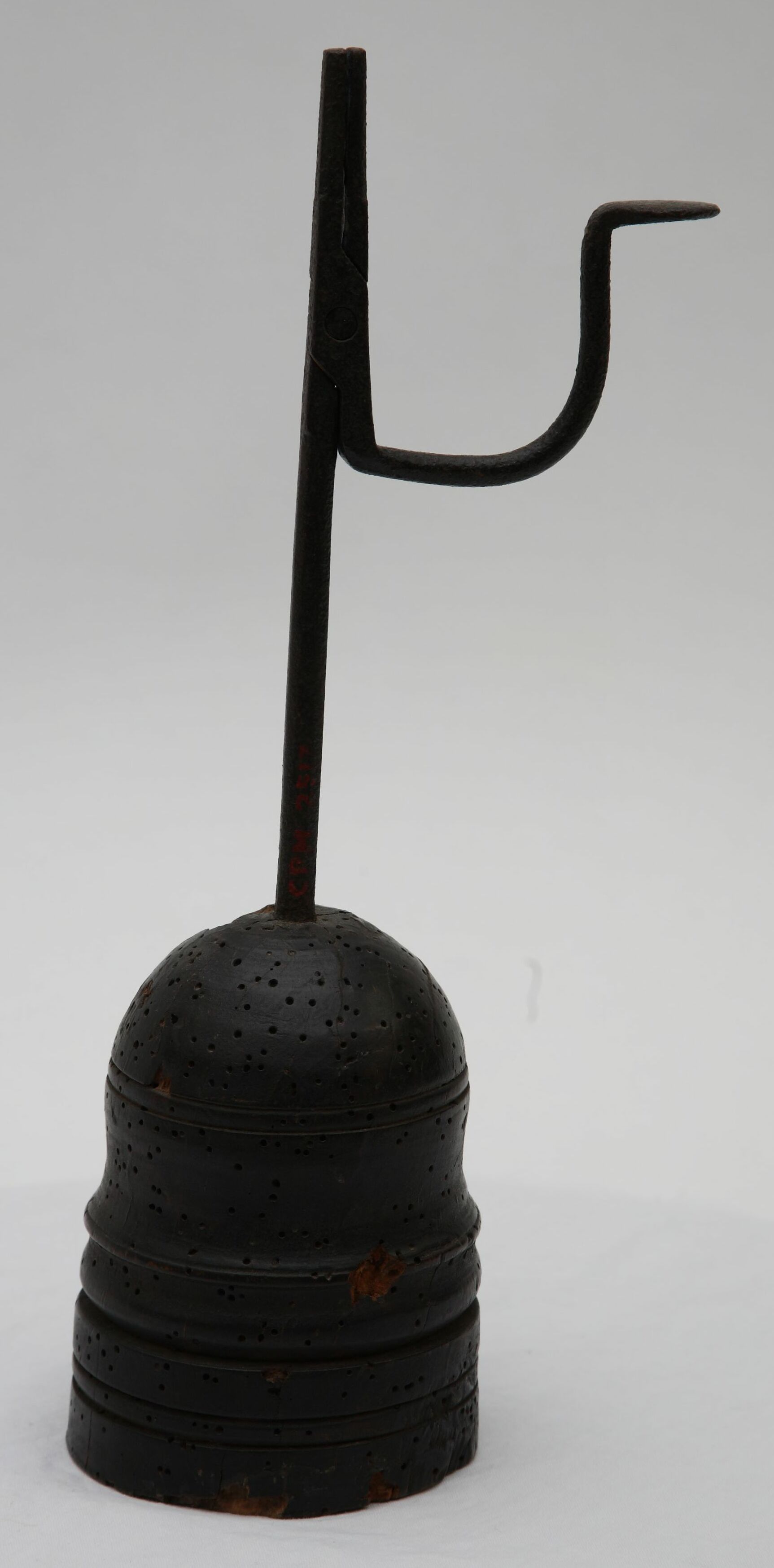
The earliest candle-like objects date to around 3000 BCE in ancient Egypt and on Crete. They were rushlights: dried river-reed pith soaked in animal fat and clipped to an iron holder. They smoked, dripped, and burned for ten minutes at a time, but they were portable and that was the breakthrough. The British Museum still has rushlight holders from Roman Britain that work on the same principle 4,000 years later.
By the New Kingdom around 1550 BCE, Egyptian temples were burning true wicked candles made from beeswax and tallow. The split between prestige material (beeswax for ritual) and everyday material (tallow for households) was already in place, and it stayed there for the next three thousand years.
Parallel candle traditions appeared on the other side of the world. Han-dynasty China was rendering candles from whale fat and insect wax by around 200 BCE, and Jewish ritual practice had already shifted oil lamps toward beeswax tapers for festivals by the start of the Common Era. The candle, like agriculture, is something multiple civilisations arrived at independently.
.jpg)
1st century CE. Rome standardises the form
The Romans industrialised the dipped tallow taper with twisted papyrus or flax wicks and supplied both households and the legions at meaningful scale. They did not invent the candle, but they were the first civilisation to treat it as a manufactured product with consistent diameter, length and burn time. Every modern taper is a Roman taper with better wax.
Medieval Europe. Two guilds, two markets
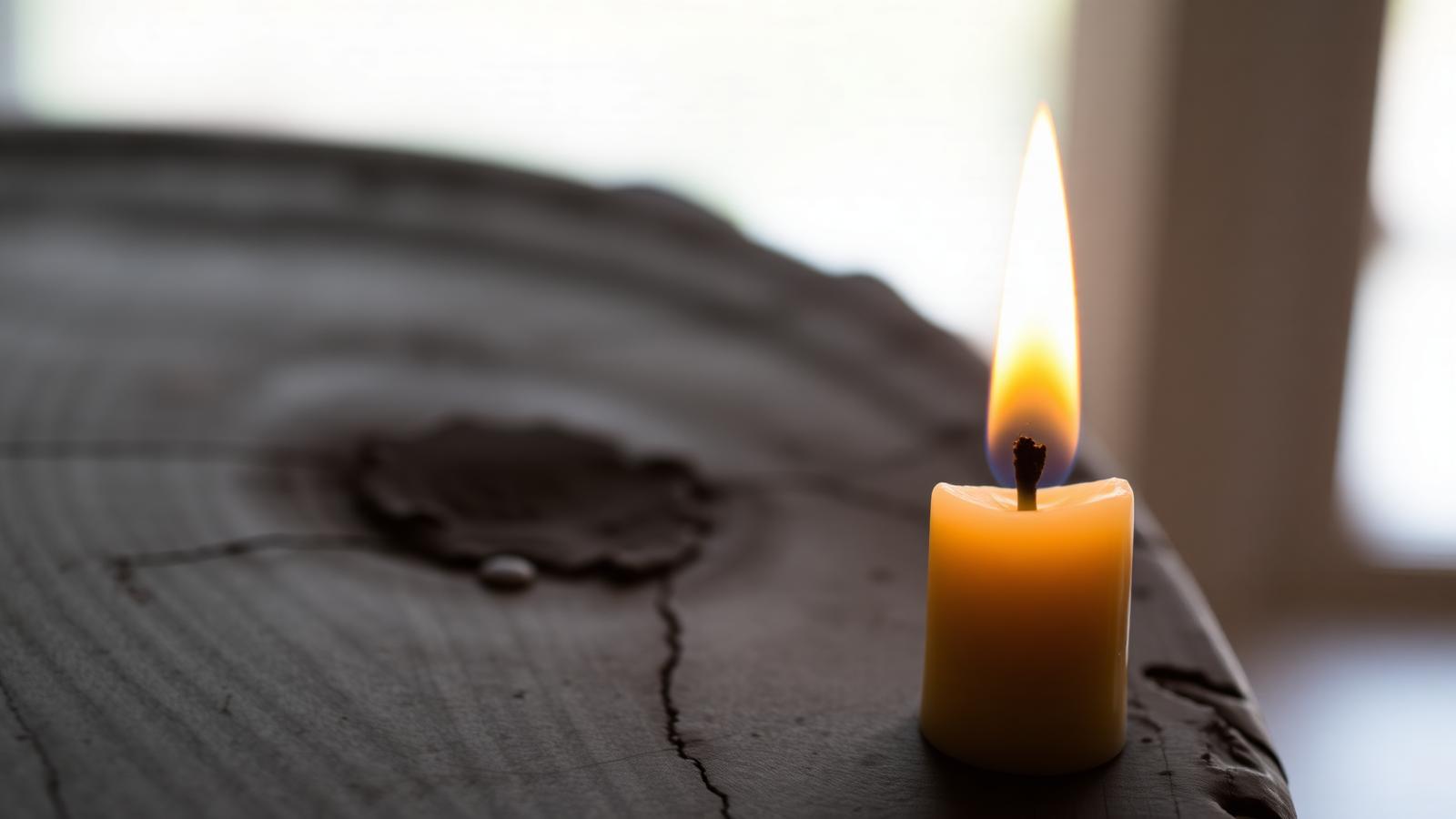
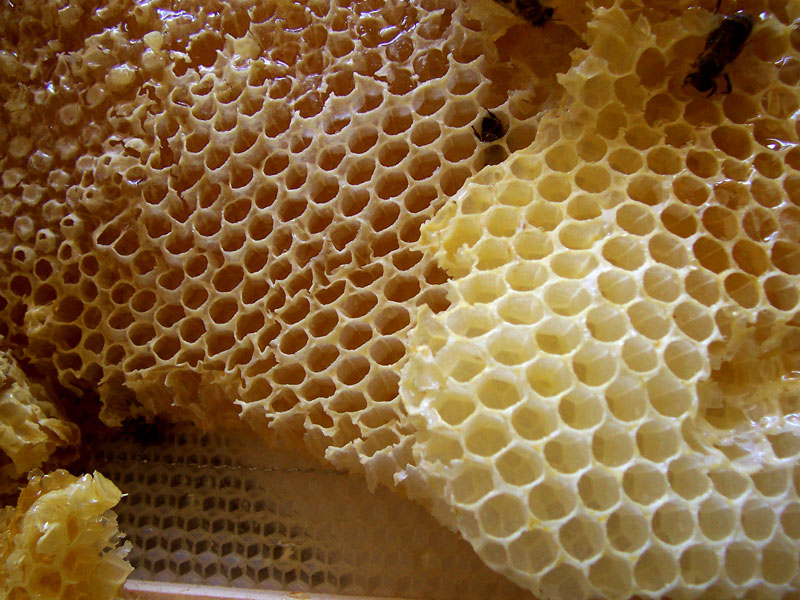
Medieval candle making was important enough to split into two trades. Tallow chandlers served common households. Wax chandlers served the church and the nobility. Beeswax cost roughly five times as much as tallow, which is why monasteries kept their own apiaries and why illuminated manuscripts were written by beeswax light.
Two medieval inventions still shape the craft. The dipping frame let one chandler dip a dozen wicks into a vat of molten wax at once, and the candle mould let makers cast uniform pillars and tapers rather than build them up layer by layer. The mould is essentially the same tool we use for pillars today.
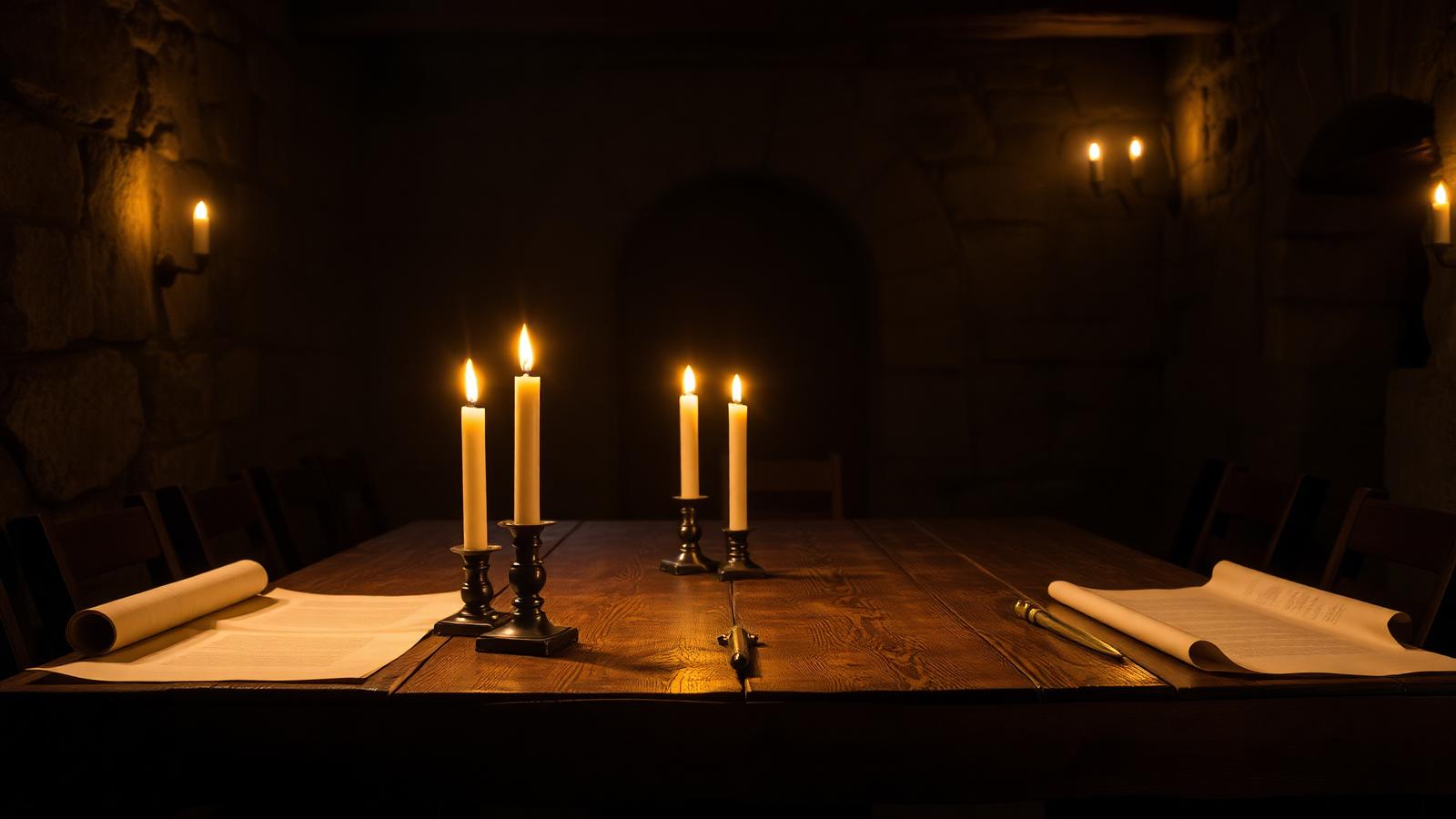
Candle clocks, credited to Alfred the Great around 890 CE, used graduated beeswax tapers to mark the hours. Each candle burned for four hours and the king kept six lit in sequence to run the full day. It is the earliest example of candles being engineered to a specification, which is what every modern recipe is really doing.
And medieval candles were not silent. Tallow candles smelled rancid and dripped, beeswax burned clean and bright but cost a labourer's daily wage per pound. The economic gap between the two materials is the reason candle smell became a class signal long before Jo Malone existed.
Tallow candles: the everyday wax for 1,500 years
Tallow is rendered animal fat, usually from beef or mutton, hardened by hanging in sheets. Medieval kitchens kept the trimmings from butchery and either rendered them at home for household candles or sold them to a tallow chandler. The smell when burning was strong and savoury, which is why tallow candles were a kitchen and stable material rather than a parlour one.
The Worshipful Company of Tallow Chandlers of London was incorporated by royal charter in 1462, formalising a trade that had existed at scale since at least 1300. For most of the next four hundred years, every working-class home in northern Europe was lit by tallow candles or rushlights, and beeswax was reserved for church and gentry use.
Tallow is also having a small 2026 moment. A handful of artisan makers are reviving rendered-beef-tallow tapers as a slow-craft product at premium prices, marketed on traceability and circular-economy grounds. The smell is the same as it was in 1462. Customer tolerance has changed.

A parallel craft in Asia
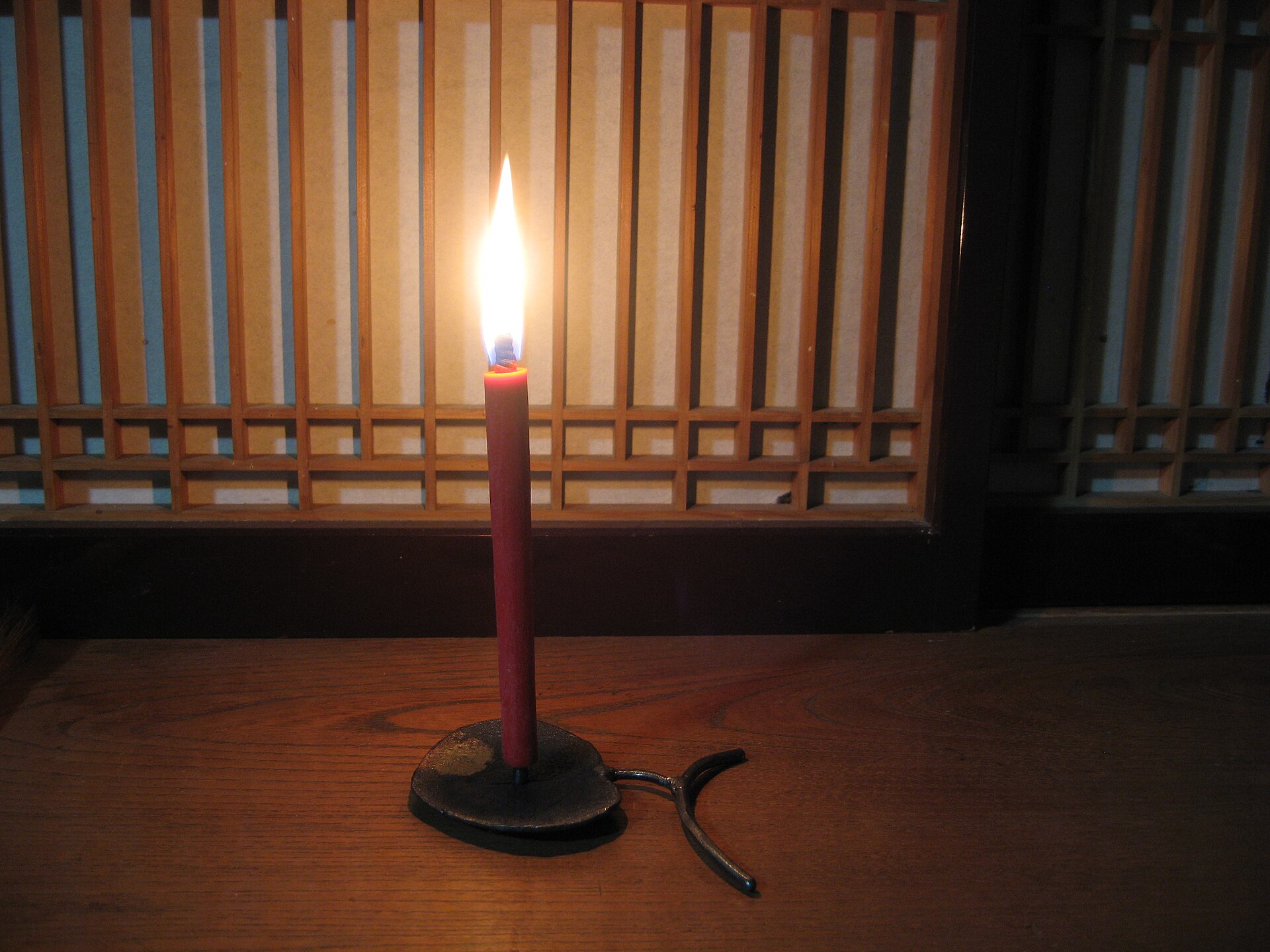
While Europe split into tallow and beeswax, Asia developed a third wax tradition almost entirely. Japanese warousoku candles, refined from the Muromachi period (1336 to 1573) onwards, are made from the wax of the sumac berry (haze in Japanese) wrapped around a rush-pith wick. They burn with a tall, dancing flame that is still used in Buddhist ceremonies, and a handful of family workshops in Echizen and Shiga have made them by hand since the 17th century. China developed candles from insect wax (produced by Ericerus pela) over a similar period. Neither tradition crossed into European candle making at scale, which is why most English-language histories miss them.

17th century. Spermaceti and the candela
Spermaceti, a waxy material extracted from the head cavity of sperm whales, appeared in the 17th century and produced the brightest, whitest, most consistent candle the world had ever seen. It was so superior to everything before it that the candela, the modern SI unit of luminous intensity, was originally defined in 1860 by the light output of a standard spermaceti candle burning at 120 grains per hour.
That definition held for almost a century. The candela was redefined in 1948 against a black-body radiator and again in 1979 against a monochromatic light source, but every lumen rating on every modern bulb still traces its lineage back to one whale-wax candle on a brass holder.
Spermaceti also previewed the modern problem of sustainability. The supply chain was a whaling fleet, and by the late 19th century the species had been hunted to the edge. The lesson holds: every premium wax depends on a fragile supply chain, and the supplier story matters as much as the burn quality.
1820s France. Chevreul, stearin and the plaited wick
The 1820s changed the trade more than the previous three thousand years. French chemist Michel Eugène Chevreul published his work on the chemistry of fats in 1823 and worked out how to separate stearic acid from animal fats. Stearin candles burned brighter, harder, longer and almost smoke-free. They obsoleted soft tallow overnight.
The same decade gave us the plaited braided wick from Jean-Jacques Cambacérès, which curled out of the flame as it burned and self-trimmed for the first time. Combined with stearin, this gave the world its first set-and-forget candle. Almost every wick on a 2026 spec sheet, including the CD and HTP series we use today, is a descendant of that 1820s braid.
1850s. Paraffin and the price collapse
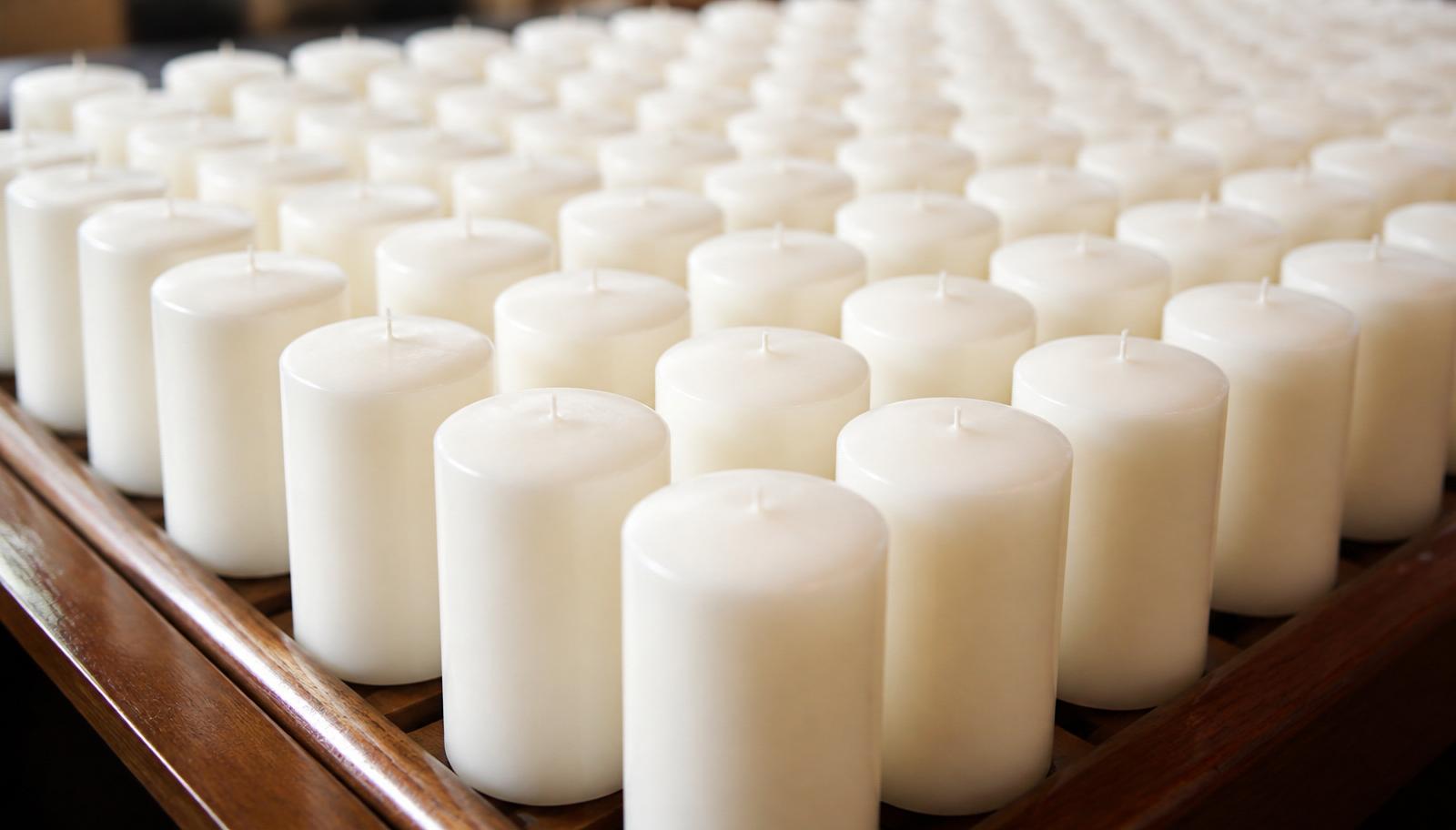
Scottish chemist James Young patented a process for distilling paraffin from coal in 1850, soon extended to petroleum. The result was a cheap, white, odourless wax that took fragrance and dye beautifully and burned cleanly. Paraffin combined with stearin to harden became the dominant candle material for the next 150 years.
Mechanised moulding machines, powered by steam, finished the transformation. By the late 19th century a single factory could produce more candles in a day than a medieval town in a year, and prices collapsed accordingly. Just in time, too, because by 1900 gas lighting and the early electric bulb were beginning to render candles obsolete as a primary light source.
20th century. The quiet middle
For most of the 20th century candles were utilitarian. Birthday candles, power-cut candles, religious candles, dinner-party tapers. Mass-produced paraffin dominated and innovation was minimal. The craft tradition survived in churches, on farms and in a small dipping-candle hobbyist scene.
Wartime rationing in the 1940s briefly turned candle wax back into a strategic material in the UK and US, with civilian production capped to free up paraffin for military use. The hobby market that returned in the 1950s was the seed of the modern artisan revival, though it would take another forty years to find its wax.
1991. Soy and the artisan revival
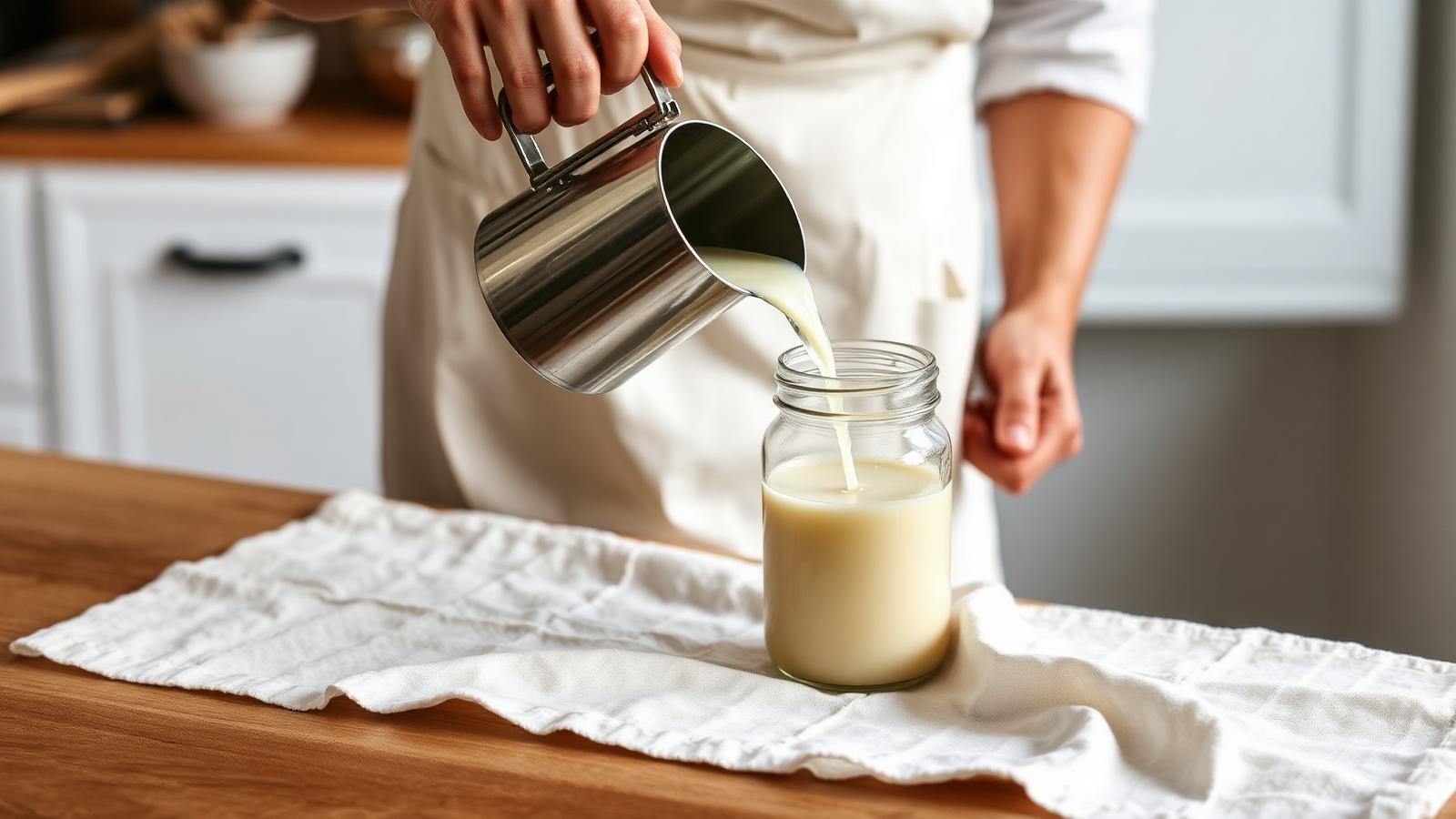
Soy wax was developed in 1991 by Michael Richards, an Indiana chemist looking for a cheaper alternative to beeswax for church candles. Soy was renewable, took fragrance well without animal inputs, and arrived just as consumer interest in plant-based products was rising. It is the only major new candle wax of the last hundred years, and it has carried the artisan revival on its back since the late 1990s.
Around the same time, lifestyle brands like Yankee Candle, Diptyque and Jo Malone turned the candle from a utility object into a global home-fragrance category now estimated above $13M in annual retail.
The 2020s added coconut-soy blends, apricot wax, and palm-free rapeseed candles to the maker's shelf. None of them have displaced soy, but they have given small brands the differentiation that used to come from fragrance alone.
A 5,000 year timeline at a glance
| Era | Dominant wax | Breakthrough | What it teaches a 2026 maker |
|---|---|---|---|
| 3000 BCE, Egypt | Animal fat on reed | Rushlight, the first portable flame | Form factor sells. Portability beat brightness. |
| 1550 BCE, Egypt | Beeswax, tallow | First true wicked candle | Premium vs everyday wax is older than retail. |
| 1st c. CE, Rome | Tallow | Standardised dipped taper | Consistent specs beat artisan variation. |
| 890 CE, England | Beeswax | Candle clocks | Candles can be engineered to a number. |
| 1300 onward, Europe | Tallow + beeswax | Guild specialisation | Pick a customer segment, build the craft around it. |
| 14th c. Japan | Sumac (warousoku) | Plant-wax craft tradition | Local materials can sustain a 700 year category. |
| 1600s | Spermaceti | Reference brightness, the candela | Premium materials carry supply-chain risk. |
| 1823, France | Stearin | Hard, clean, smokeless candle | Chemistry beats technique. |
| 1825, France | Plaited wick | Self-trimming flame | Wick design is half the candle. |
| 1850, Scotland | Paraffin | Cheap, scalable, throws fragrance | Process innovation collapses price. |
| 1991, USA | Soy | Plant-based, fragrance-friendly | A new wax can rewrite a whole category. |
What this means for modern makers
Three rules from five thousand years of candle history still apply at the bench.
One. The prestige wax is rarely the best technical wax. Beeswax beat tallow on smell and shape, not on light output. Soy beat paraffin on positioning, not on hot throw. Pick wax on what you want to sell, not on what scores best on a single test.
Two. Every real breakthrough was a chemistry breakthrough. Stearin, the braided wick, paraffin, soy. If you want to push your candles forward, the lever is almost always materials science and not technique.
Three. The supply chain is the story. Spermaceti collapsed because the supplier did. Coconut wax depends on a tropical chain that runs hot. Soy carries an agricultural footprint that is being scrutinised now. The wax you pour in 2026 should be one whose story you are happy to tell in 2030.
If you are new to the craft, start with a soy container candle. The whole modern playbook is calibrated to it. The history is fascinating, but the next batch is what teaches you.
Frequently asked
Updated 2026-06-26. Fact-checked against Royal Society of Chemistry. Michel Eugène Chevreul and the chemistry of fats.
The Maker's Codex, as a PDF
The full five-act manual. Bench setup, wick sizing, scent throw, pricing, compliance, scaling. Cited to EN 15493, ASTM, IFRA and CLP. We email your regional edition (metric or imperial, GBP, EUR, USD, CAD, AUD).
Best Wax for Candles: An Honest Maker's Guide (2026)
I've poured every common candle wax through the Bristol studio. Here's what soy, coconut, paraffin, beeswax, apricot and rapeseed actually feel like to work with, and which one fits the candle you want to sell.
How to Start a Candle Business: A Realistic 90-Day Plan
A working chandler's 90-day plan to go from first pour to first paid order. Kit budget, first 10 SKUs, batch costing, channel choice, and the compliance checklist that keeps you out of trouble.
Beeswax vs Soy Candles: A Real Comparison
Burn time, scent throw, environmental impact, and cost compared honestly. The right answer depends on what you're optimizing for.
How to Fix Candle Tunneling (and Stop It Coming Back)
Tunneling is a wick-and-first-burn problem, not a wax problem. Three rescue methods that work, plus the upstream fix so the next pour burns edge to edge.