

Candle Scent Combinations: 12 Tested Blends with Top, Heart and Base Notes
How perfumers structure a fragrance, and twelve proven candle scent combinations across citrus, floral, woody, gourmand, fresh and seasonal families. Built in the studio with throw-tested ratios.
Prices updated June 26, 2026
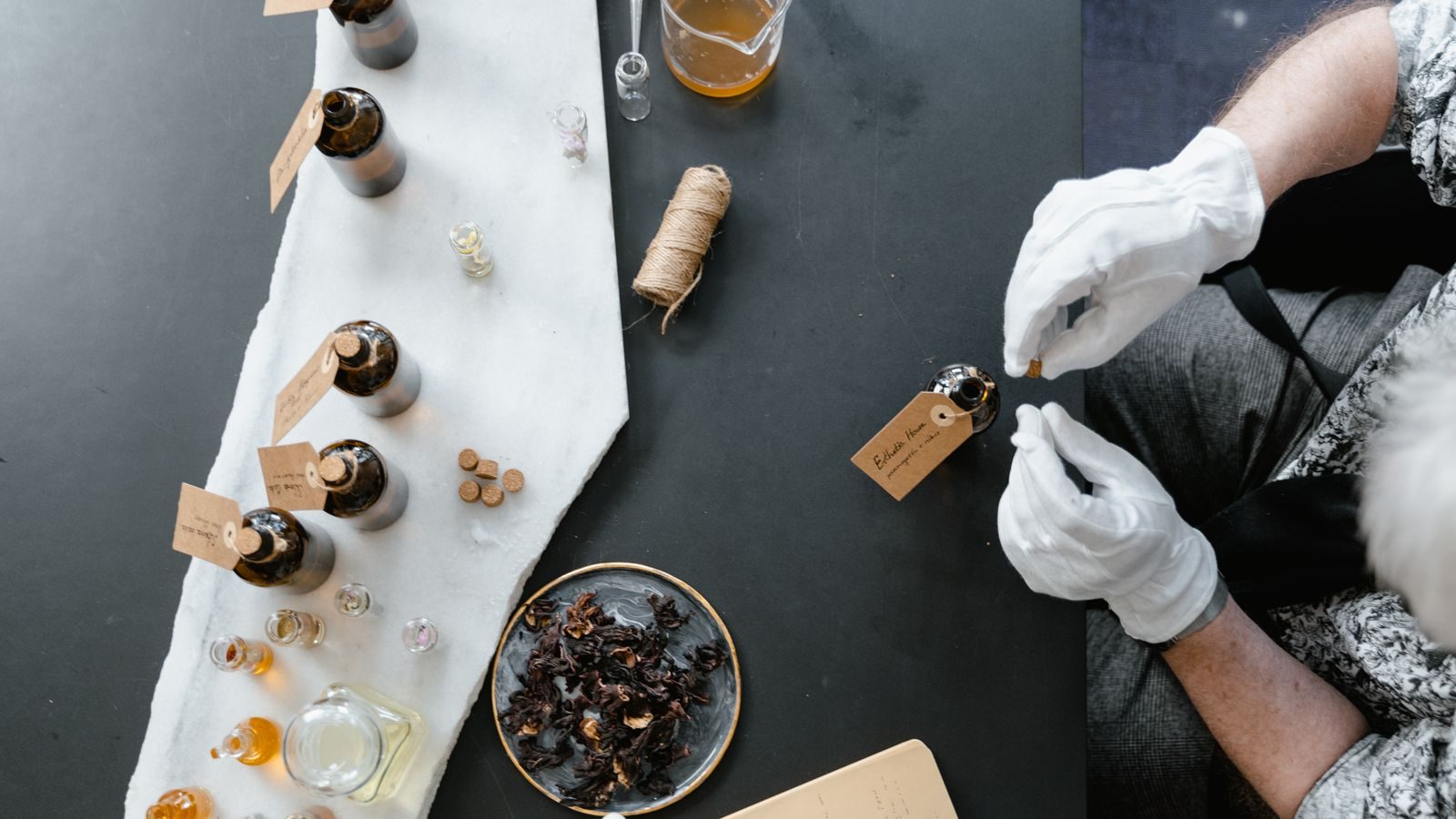
Perfumers build fragrances in three layers: top notes that hit first and fade fastest, heart notes that carry the personality, and base notes that anchor everything and linger longest. The same structure works for candles, with one twist. A candle has to throw when cold and burn cleanly when hot, so the ratios skew slightly heavier on base notes than a fine fragrance would.
The studio default is 30% top, 50% heart, 20% base by fragrance weight. Heavier on heart because that is the throw layer. Lighter on top because top notes flash off first anyway. Use the scent blender tool to design your own and the perfume to candle recipe converter to reverse-engineer commercial scents.
The 12 tested combinations
### Fresh and citrus
1. Bergamot, neroli, white musk. A clean spring opener that suits white or glass vessels. 30/50/20.
2. Grapefruit, basil, vetiver. Sharper, more masculine, brilliant in a kitchen or office candle. 25/55/20.
3. Lemon, verbena, cedar. Mediterranean and bright. Pairs well with linen or cotton vessels.
### Floral
4. Rose, peony, sandalwood. The classic English-garden blend, soft and feminine without being cloying. 25/55/20.
5. Jasmine, ylang-ylang, amber. Heavier, evening-leaning, suits a bedroom or bathroom candle.
6. Lavender, geranium, tonka. Calming, slightly herbaceous, perfect for a wind-down candle.
### Woody and earthy
7. Black pepper, cedarwood, oud. Sophisticated, masculine, premium price-point ready. 20/50/30 (heavier base).
8. Bergamot, fig leaf, sandalwood. A modern unisex blend that sells across all demographics.
9. Eucalyptus, rosemary, oakmoss. Earthy, herbal, brilliant in a study or library setting.
### Gourmand and warm
10. Apple, cinnamon, vanilla. The autumn classic that never stops selling. 25/50/25.
11. Orange, clove, frankincense. The Christmas archetype, warm and ceremonial. 25/50/25.
12. Coffee, chocolate, tonka bean. A foodie favourite, dense and indulgent, best in small vessels (200ml or under).
How to blend safely
Every fragrance oil in the blend has its own IFRA Category 12 maximum. The blended maximum is dominated by whichever component has the lowest cap, not by an average. The fragrance oil calculator handles this automatically when you enter a multi-fragrance blend.
Always weigh, never measure by volume. Always blend before adding to wax, so you can sniff the cold blend on a smelling strip and adjust before you commit it to a $51 batch of wax. And always burn-test the final candle for three full melt cycles before signing it off for sale.
Frequently asked
Updated 2026-07-02. Fact-checked against IFRA Standards, 51st Amendment.
The Maker's Codex, as a PDF
The full five-act manual. Bench setup, wick sizing, scent throw, pricing, compliance, scaling. Cited to EN 15493, ASTM, IFRA and CLP. We email your regional edition (metric or imperial, GBP, EUR, USD, CAD, AUD).
Best Wax for Candles: An Honest Maker's Guide (2026)
I've poured every common candle wax through the Bristol studio. Here's what soy, coconut, paraffin, beeswax, apricot and rapeseed actually feel like to work with, and which one fits the candle you want to sell.
How to Start a Candle Business: A Realistic 90-Day Plan
A working chandler's 90-day plan to go from first pour to first paid order. Kit budget, first 10 SKUs, batch costing, channel choice, and the compliance checklist that keeps you out of trouble.
Beeswax vs Soy Candles: A Real Comparison
Burn time, scent throw, environmental impact, and cost compared honestly. The right answer depends on what you're optimizing for.
How to Fix Candle Tunneling (and Stop It Coming Back)
Tunneling is a wick-and-first-burn problem, not a wax problem. Three rescue methods that work, plus the upstream fix so the next pour burns edge to edge.