

How to Make Scented Candles That Actually Throw (2026 Guide)
Fragrance load, flashpoint, cure time and wick choice are the four levers that decide whether a scented candle throws or sulks. The exact workflow I use in the Bristol studio for soy, coconut and paraffin.
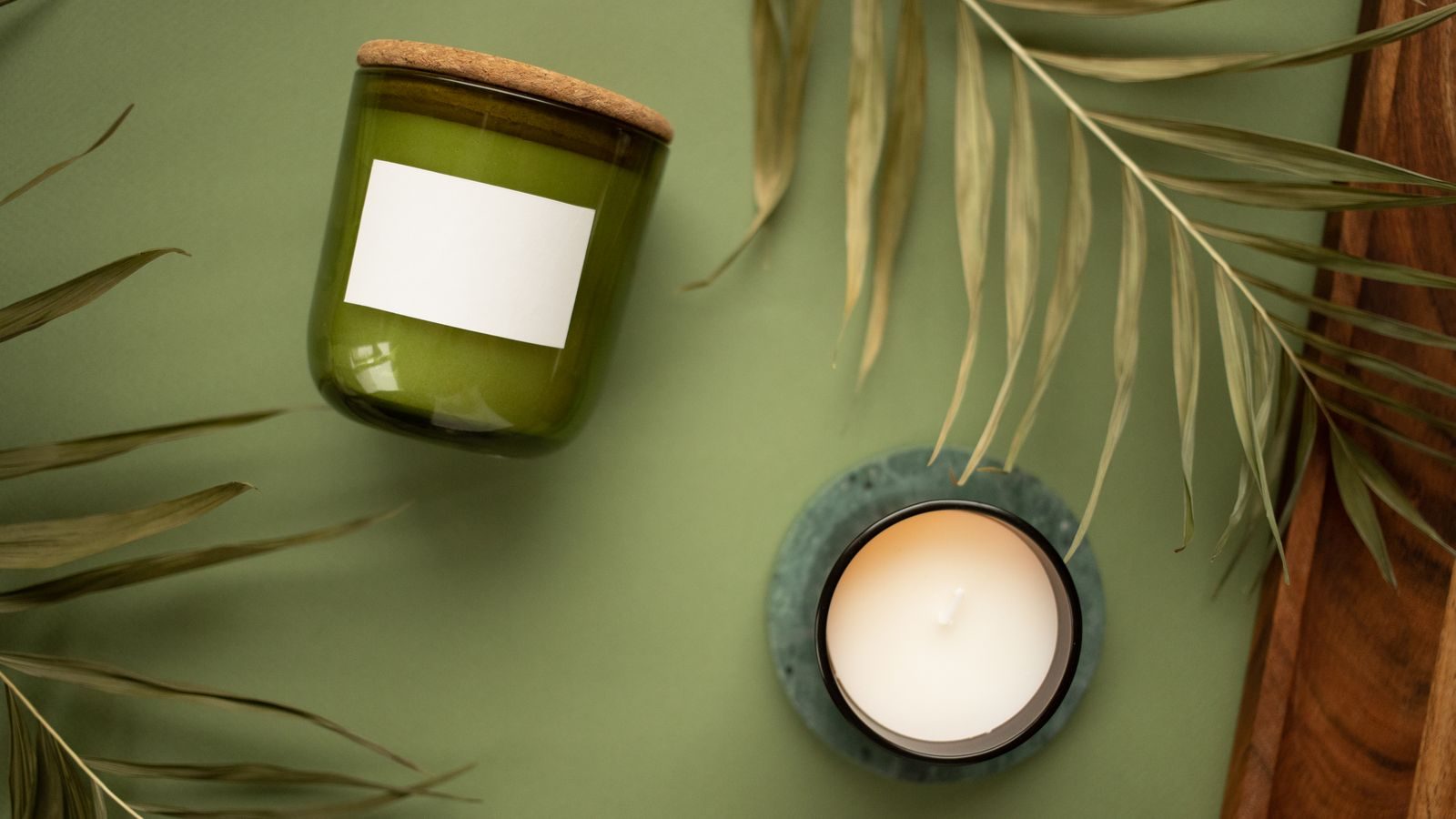
The most common question I get on the Bristol studio Instagram is some version of "why don't my candles smell of anything?". Nine times out of ten it is one of four things, and they are the same four things every time. Fragrance load too low, fragrance added too hot, cure time too short, or wick too small for the vessel. Get the four levers right and a soy candle will perfume a small lounge from cold throw alone.
Lever 1. Fragrance load
Fragrance load is the weight of fragrance oil as a percentage of the total wax. Most artisan candles sit between 6% and 10%. Soy holds 8-10% reliably, coconut blends will take 10-12%, paraffin handles 6-8% cleanly. Going above your wax's stated maximum does not give you more throw, it gives you weeping, sweating, and poor burns.
I default to 8% for soy and dial up only if the cold throw is weak after a two-week cure. The fragrance oil calculator does the maths for any batch size and clamps to the IFRA Category 12 limit for your fragrance automatically.
Lever 2. Flashpoint and pour temperature
Every fragrance oil has a flashpoint, the temperature at which its vapours can ignite. Add fragrance above flashpoint and the most volatile (top-note) molecules flash off into the air rather than binding to the wax. Your candle smells weak from the moment it cools.
The safe rule: add fragrance at least 5°C below its flashpoint. Most modern candle fragrances have flashpoints between 65°C and 95°C (65–95°C). The studio default is to pull the wax off the heat, let it drop to around 60–65°C, then add fragrance and stir for a full two minutes to bind it to the wax. The pour temperature guide covers the windows for every common wax.
Lever 3. Cure time
Cure is the slow chemical bond between fragrance oil and wax. A freshly poured soy candle smells like roughly 40% of its eventual throw. After 48 hours you are at 60%. After two weeks you are at full strength. Coconut blends cure faster (about 7-10 days), paraffin cures in 3-5 days, beeswax barely cures at all.
If you sell candles, build a two-week cure into your production schedule and do not test throw before then. The number of "my soy candles have no throw" emails that resolve themselves with another ten days of cure would surprise you. The full schedule is in our candle cure time guide.
Lever 4. Wick size
Scent throw is mostly a function of melt pool surface area. A wick that is too small gives a tunnelled pool, a small evaporation surface and weak throw, no matter how much fragrance you loaded. A correctly sized wick gives a full melt pool to the vessel edge within 2-3 hours of burning and a deep, sustained throw.
Use the candle wick size chart to match wick series to vessel diameter, then burn-test for three full melt cycles before committing to a production wick.
The studio workflow
- Weigh wax for the batch using the candle wax calculator. Decide vessel count and fill weight first, then work backwards.
- Calculate fragrance at 8% of wax weight. Weigh it (not measured by volume) in a separate beaker.
- Melt wax to its full melt point plus 10°C, then pull off the heat.
- Cool to 60–65°C. Add fragrance. Stir gently for two full minutes.
- Pour at the wax's stated pour temperature into pre-warmed vessels.
- Leave undisturbed for 24 hours. Trim wicks to 5mm.
- Cure for 14 days before burn-testing or selling.
Follow that sequence and your candles will throw. Skip any step and you'll find yourself back at lever 1 wondering why they don't.
Frequently asked
Updated 2026-06-29. Fact-checked against IFRA Standards, 51st Amendment.
The Maker's Codex, as a PDF
The full five-act manual. Bench setup, wick sizing, scent throw, pricing, compliance, scaling. Cited to EN 15493, ASTM, IFRA and CLP. We email your regional edition (metric or imperial, GBP, EUR, USD, CAD, AUD).
Best Wax for Candles: An Honest Maker's Guide (2026)
I've poured every common candle wax through the Bristol studio. Here's what soy, coconut, paraffin, beeswax, apricot and rapeseed actually feel like to work with, and which one fits the candle you want to sell.
How to Start a Candle Business: A Realistic 90-Day Plan
A working chandler's 90-day plan to go from first pour to first paid order. Kit budget, first 10 SKUs, batch costing, channel choice, and the compliance checklist that keeps you out of trouble.
Beeswax vs Soy Candles: A Real Comparison
Burn time, scent throw, environmental impact, and cost compared honestly. The right answer depends on what you're optimizing for.
How to Fix Candle Tunneling (and Stop It Coming Back)
Tunneling is a wick-and-first-burn problem, not a wax problem. Three rescue methods that work, plus the upstream fix so the next pour burns edge to edge.