How Much Does Candle Making Cost? Starter and Per-Candle Prices
What it really costs to start making candles: the tools you buy once, the materials in each candle at supplier prices, and when it works out cheaper than buying.
Prices updated 26 June 2026
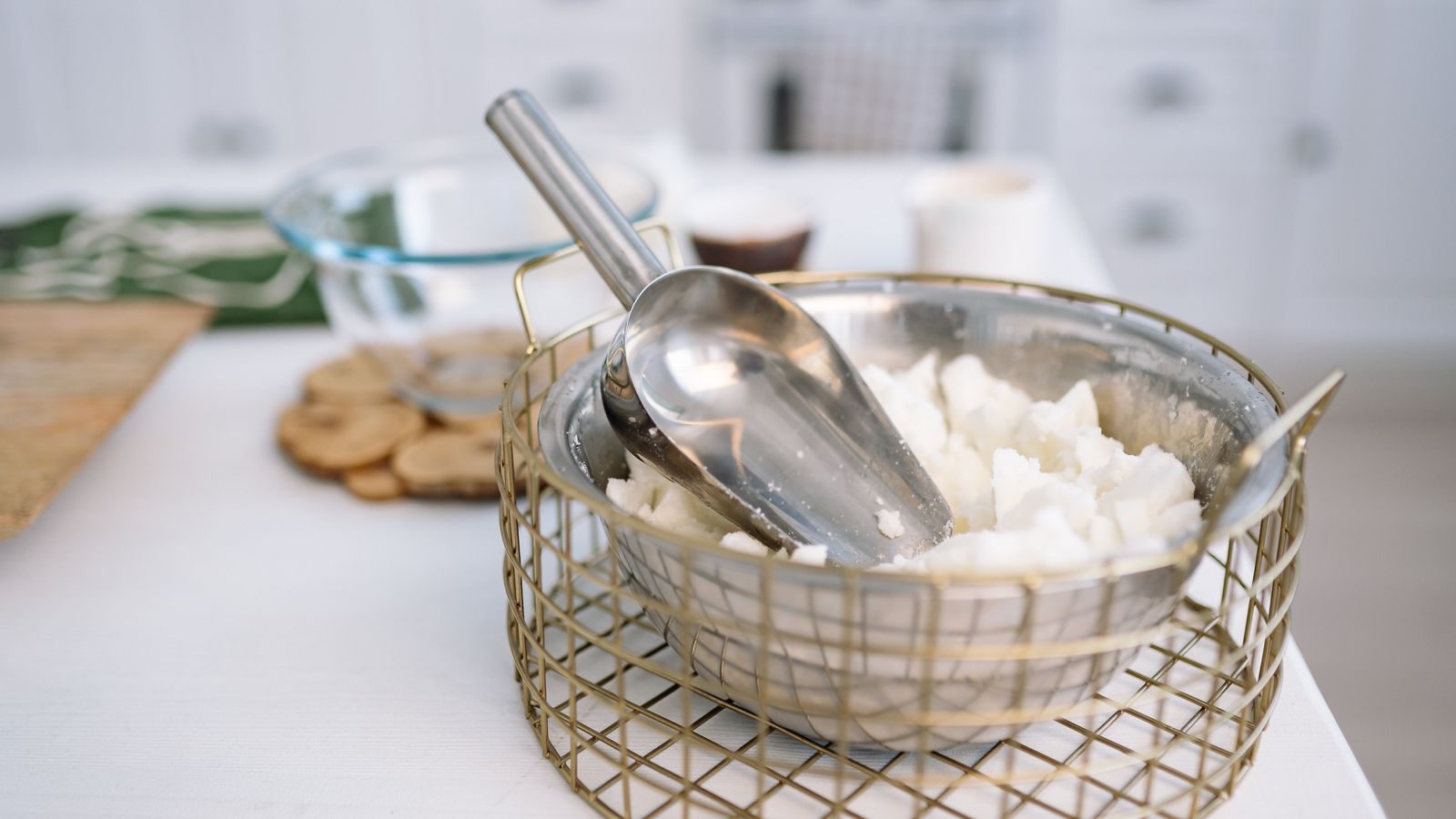
Candle making costs most on the first day. You buy a handful of tools once, then each candle needs only wax, fragrance, a wick, a jar and a label.
Every figure below comes from the supplier prices behind the Waxverse calculators, shown in your currency. Ranges come from supplier price lists in your region.
The short answer
- Tools you buy once: $70–$110 for a thermometer, a pouring jug, a scale and a fire blanket.
- Materials for one candle: about $4.74 for a 230 ml soy candle in a glass tumbler.
- A first batch of six: about $28 in materials, with some wax and fragrance left over for the next batch.
- When it pays off: after somewhere between three and ten candles, if you would otherwise have bought them.
The tools you buy once
Four tools do the real work. The scale and the thermometer decide whether a candle comes out right. The pouring jug and the fire blanket keep the process safe.
| Tool | What it does |
|---|---|
| Digital scale reading to a tenth of a gram | Weighs wax and fragrance. Fragrance is a percentage of the wax weight, so guessing spoils the batch. |
| Digital probe thermometer | Hits the melt, fragrance and pour temperatures your wax needs. |
| Metal pouring jug | Melts the wax in a water bath and pours without drips. |
| Fire blanket | Smothers a wax fire. Never use water on one. |
You also need a saucepan to stand the jug in, and wick centring bars to hold the wicks straight. Most kitchens already have the pan.
Supplier starter kits usually bundle the wax, wicks, jars and fragrance, not the tools. Candle Shack's starter kits, for example, still ask you to bring kitchen scales, a thermometer and a jug.
What one candle costs in materials
Here is a 230 ml soy tumbler at an 8% fragrance load. These are supplier case prices, the floor you work towards as you buy larger packs.
- Soy wax, 200 g: $1.14
- Fragrance oil, 16 g: $0.77
- Pre-tabbed wick: $0.11
- Glass tumbler: $2.35
- Printed label with safety warnings: $0.36
- Total materials: about $4.74
The jar is half the cost. A 230 ml tin at $1.78 instead of glass brings the same candle to about $4.17.
Fragrance is the next biggest line, and its price varies more than any other material. Small bottles cost more per kilo than the price used here, so your first candles cost a little more.
How the wax changes the price
Swapping the wax changes the cost less than swapping the jar. Here is the wax for one candle in four common waxes.
| Wax | Price per kilo | Wax for one candle (200 g) |
|---|---|---|
| Soy | $5.71/kg | $1.14 |
| Paraffin | $4.06/kg | $0.81 |
| Coconut soy blend | $13.97/kg | $2.79 |
| Beeswax | $35.56/kg | $7.11 |
The soy, paraffin and coconut prices are for 25 kg cases. The beeswax price is for a 1 kg bag, which is part of why it looks so much higher.
Your first batch
Six candles is a good first batch: enough to learn from, small enough to repeat. In materials it comes to about $28, six times the single candle above.
You will buy more than you use. A typical first order is a bag of wax, one bottle of fragrance oil, a pack of wicks and a box of jars, so some is left for the second batch.
Use the leftovers well. Change one thing in the second batch, such as the wick size, and write down what happens in the Maker's Log.
Is it cheaper than buying candles?
Gift-size candles sell for $18–$28 in shops and on Etsy, by the Waxverse June 2026 price survey. At about $4.74 in materials, a candle you make costs a fraction of that.
The tools pay for themselves quickly. In every region the survey covers, they are paid back after somewhere between three and ten candles. Count a test batch in that, because first pours are rarely perfect.
Starting on a budget
- One wax, one fragrance, one wick size. Every extra variable costs money and makes results harder to read.
- Tins before glass. A tin costs less than a glass tumbler and won't crack.
- A saucepan you already own for the water bath, instead of an electric melter.
- Never cut the scale, thermometer or fire blanket. Weight and temperature decide whether a candle works, and a fire blanket is the safe answer to a wax fire. The safety guide explains why water makes a wax fire worse.
Leave the electric melter, moulds, dyes and a shelf of fragrances until you have a batch you like. The supplies checklist lists what to buy now and what can wait.
If you plan to sell
Selling adds costs the hobby doesn't have: packaging, product insurance, marketplace fees and your time. The pricing guide works through all of them for a similar candle, which comes to $9.89 once they are included.
Use the Candle Cost Calculator to run the same sums with your own supplier prices.
Frequently asked
Updated 2026-11-26. Fact-checked against Waxverse pricing sources: supplier quotes and the June 2026 starter-kit survey.
The Maker's Codex, as a PDF
The full five-act manual. Bench setup, wick sizing, scent throw, pricing, compliance, scaling. Cited to EN 15493, ASTM, IFRA and CLP. We email your regional edition (metric or imperial, GBP, EUR, USD, CAD, AUD).
Best Wax for Candles: An Honest Maker's Guide (2026)
I've poured every common candle wax through the Bristol studio. Here's what soy, coconut, paraffin, beeswax, apricot and rapeseed actually feel like to work with, and which one fits the candle you want to sell.
How to Start a Candle Business: A Realistic 90-Day Plan
A working chandler's 90-day plan to go from first pour to first paid order. Kit budget, first 10 SKUs, batch costing, channel choice, and the compliance checklist that keeps you out of trouble.
Beeswax vs Soy Candles: A Real Comparison
Burn time, scent throw, environmental impact, and cost compared honestly. The right answer depends on what you're optimizing for.
How to Fix Candle Tunneling (and Stop It Coming Back)
Tunneling is a wick-and-first-burn problem, not a wax problem. Three rescue methods that work, plus the upstream fix so the next pour burns edge to edge.